+86 13352034596
 info@tianjinqilian.com
 No. 8, Xingliang Road, Daliang Town, Wugong Di..
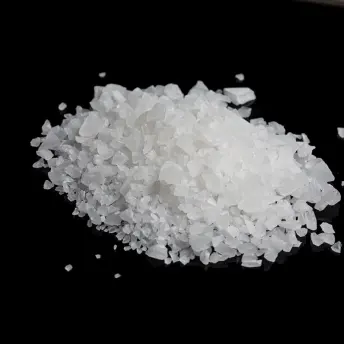

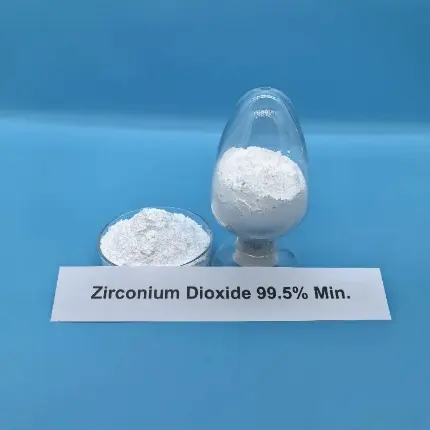
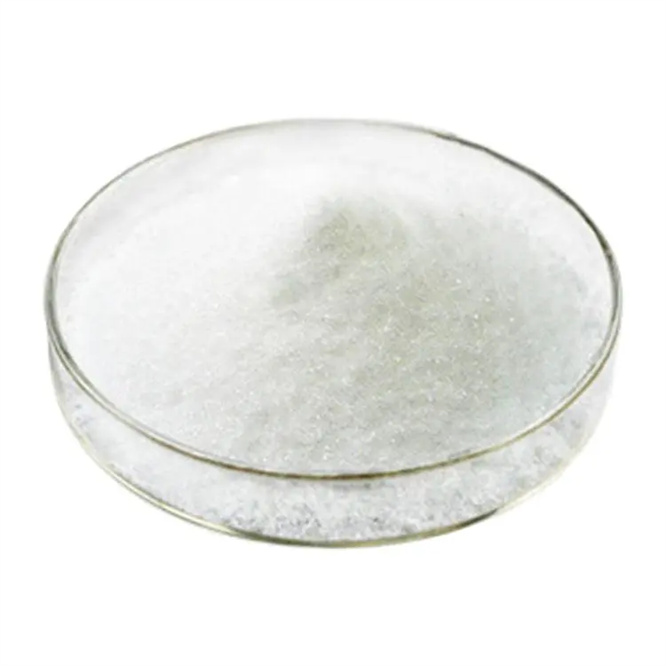
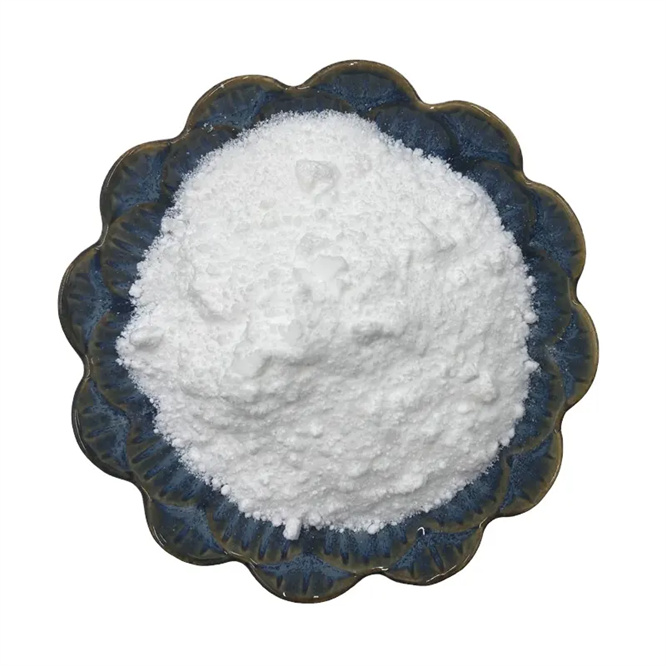
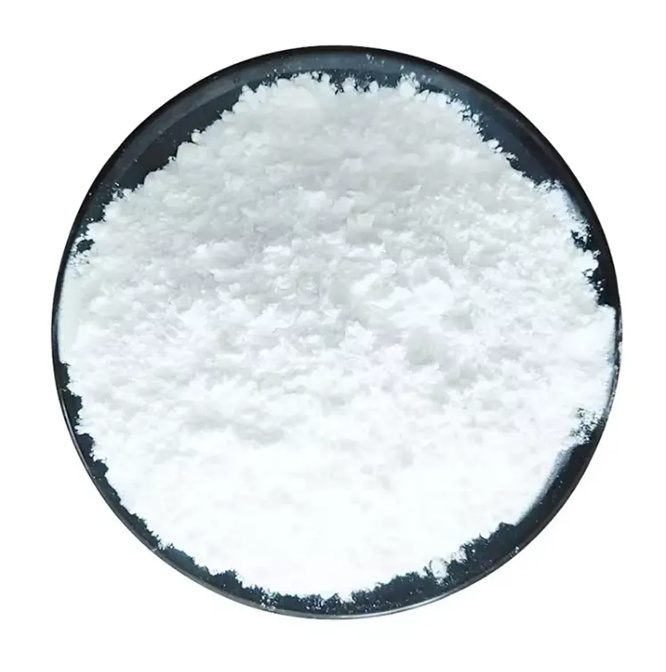
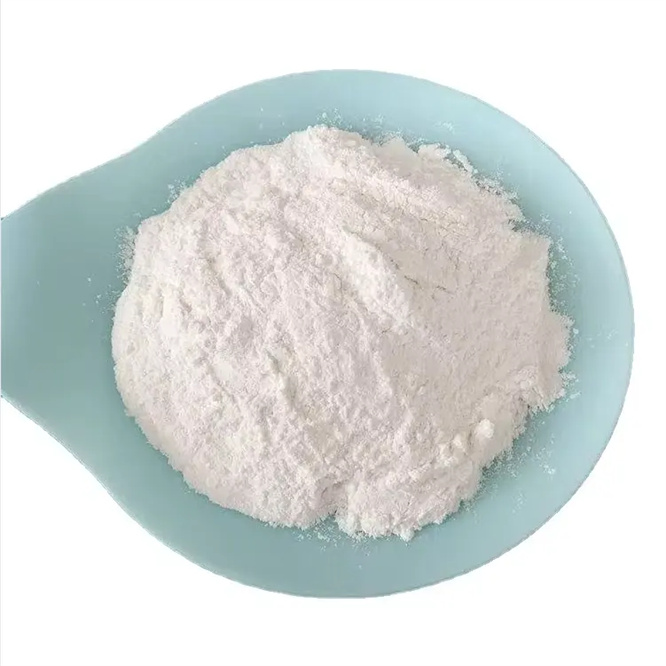
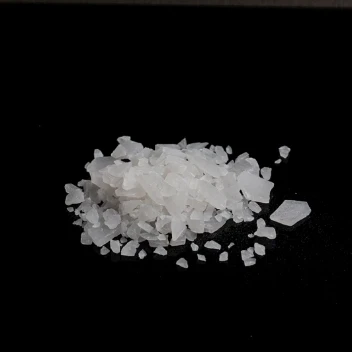
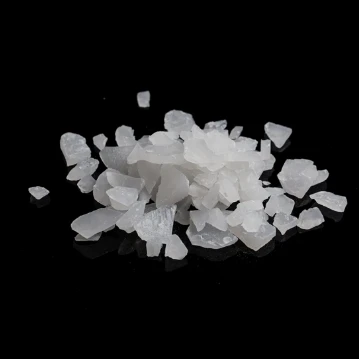
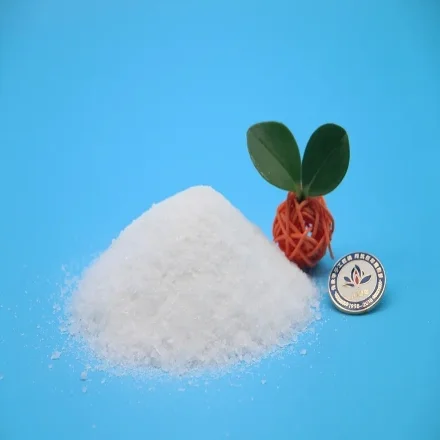
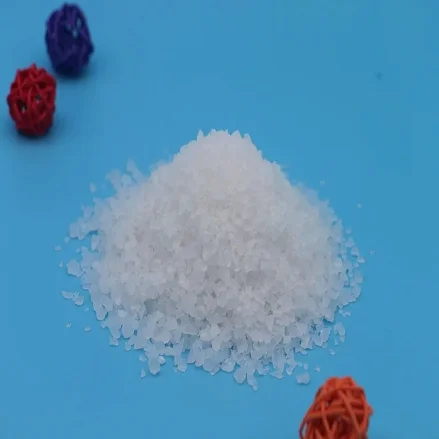
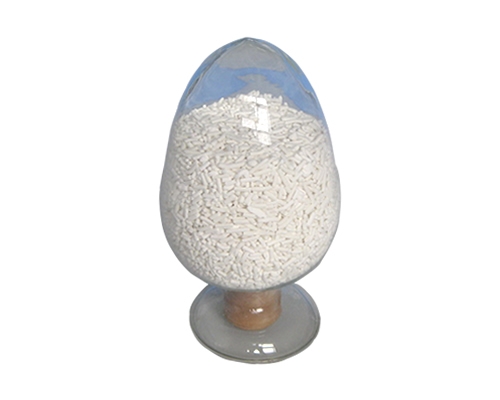
Zircoium dioxide is white heavy amorphous powder. Odorless and tasteless. There are three crystal forms: monoclinic, cubic, and tetragonal. Relative density 5.85, melting point 2680 ºC, boiling point 4300 ºC, refractive index 2.2. Form square crystals above 1100 ºC and cubic crystals above 1900 ºC. Can dissolve in sulfuric acid, hydrofluoric acid, hot hydrochloric acid, and nitric acid, as well as in molten potassium bisulfate. Fusing with sodium carbonate to form sodium zirconate, sodium zirconate hydrolyzes into sodium hydroxide and almost insoluble zirconium hydroxide when it comes into contact with water.
| ZrO2+HfO2 % | ≥99.5 | ≥99.5 | ≥99.9 | ≥99.9 | ≥99.95 |
| SiO2 % | <0.02 | <0.015 | <0.015 | <0.01 | <0.01 |
| Fe2O3 % | <0.015 | <0.01 | <0.0007 | <0.0003 | <0.0005 |
| Na2O % | <0.005 | <0.01 | <0.007 | <0.0003 | <0.005 |
| TiO2 % | <0.005 | <0.01 | <0.005 | <0.0003 | <0.005 |
| Cl- % | <0.05 | <0.05 | <0.01 | <0.01 | <0.01 |
Application
1. High purity ultrafine zirconia can be used as a stabilizer for incandescent lamps. It has far-infrared electrical properties, which save energy and improve the life of the lamp tube. It has been widely used.
2. In addition, zirconia has high refractive index and high temperature resistance, and can be used as enamel, refractory material, and electrical insulation material.
3. It can also be used as X-ray photography, grinding materials, optical glass, optical fibers, micro integrated circuit boards, high-power microscopes, and magnifying glass lenses.
4. It is also a material for producing ceramic tiles and sanitary ceramics, which can improve the toughness of ceramics and prevent ceramic cracking.
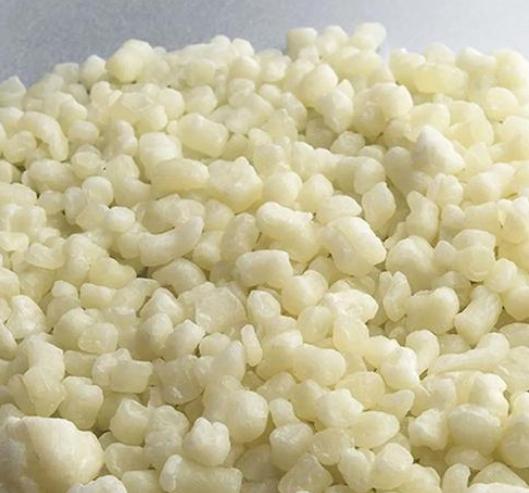
We provide al kinds of soap noodles , like TFM 50%, 60%, 65%,70% , 72%, 76%,78% , with good quality for making laundry soap bars, toilet bars , etc . Colors: light brown or off white ,or others ...
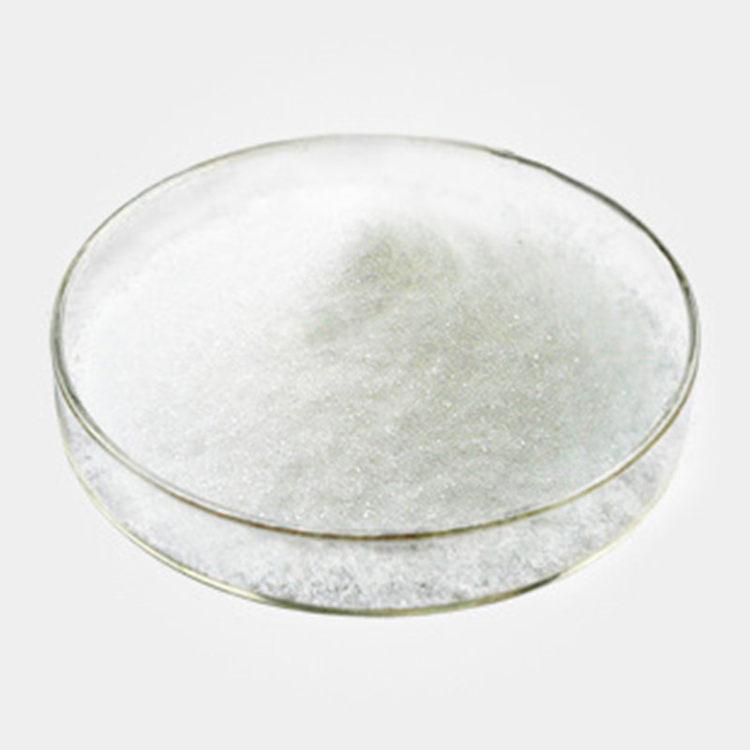
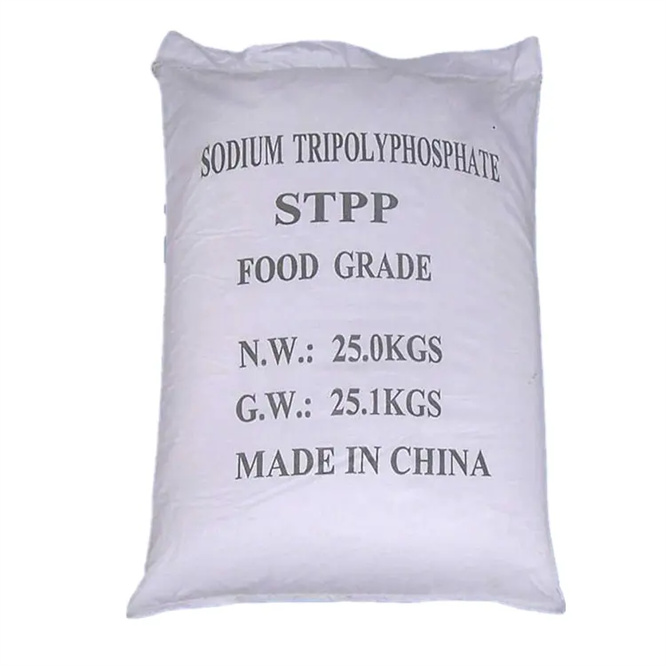
CAS No. 7601-54-9 Purity 98% MF Na3PO4 Grade Standard Industrial Grade ...
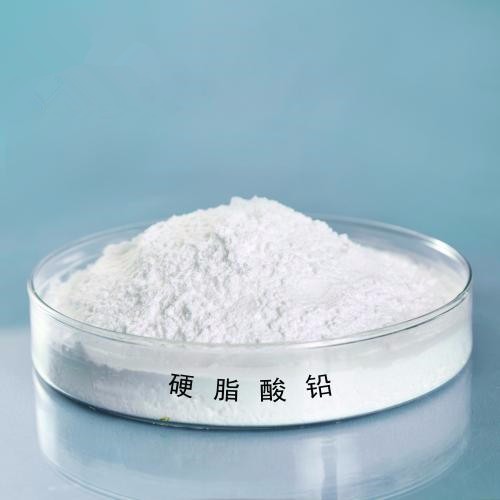
CAS No. 637-12-7 Purity 99% Place of Origin China Type lead distearate MF Pb(C17H35COO)2 EINECS No. 214-005-2 Color White Color Storage Cool Dry Place Type PVC stabilizer Classification Chemical Auxiliary Agent ...
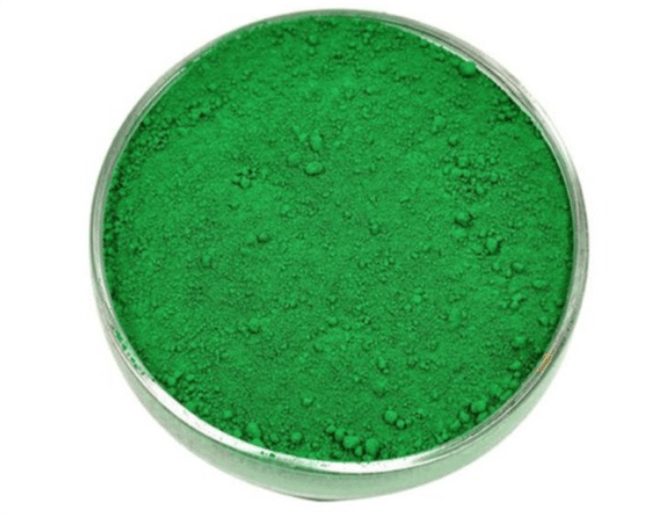
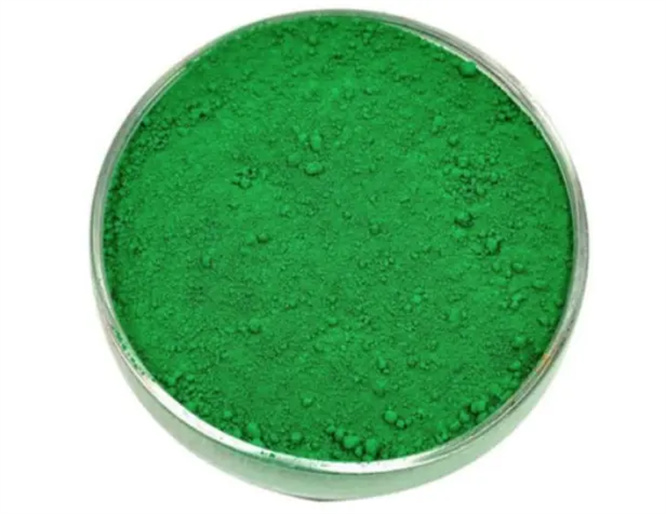
1. Green powder 2.Purity above 30% 3.SEM: ≤200 nm 4. D90: ≤250 nm Applicable fields 1. Coloring of ceramics and enamels 2. Analytical reagents, catalysts 3. Paint 4. Catalyst 5. Electronic materials ...
CAS No. 95-33-0 Purity 96% Place of Origin China Type rubber accelerator Usage Coating Auxiliary Agents, Rubber Auxiliary Agents Classification Chemical Auxiliary Agent MF C13H16N2S2 EINECS No. 202-411-2 application Tires rubber shoe rubber hoses tape cables ...